
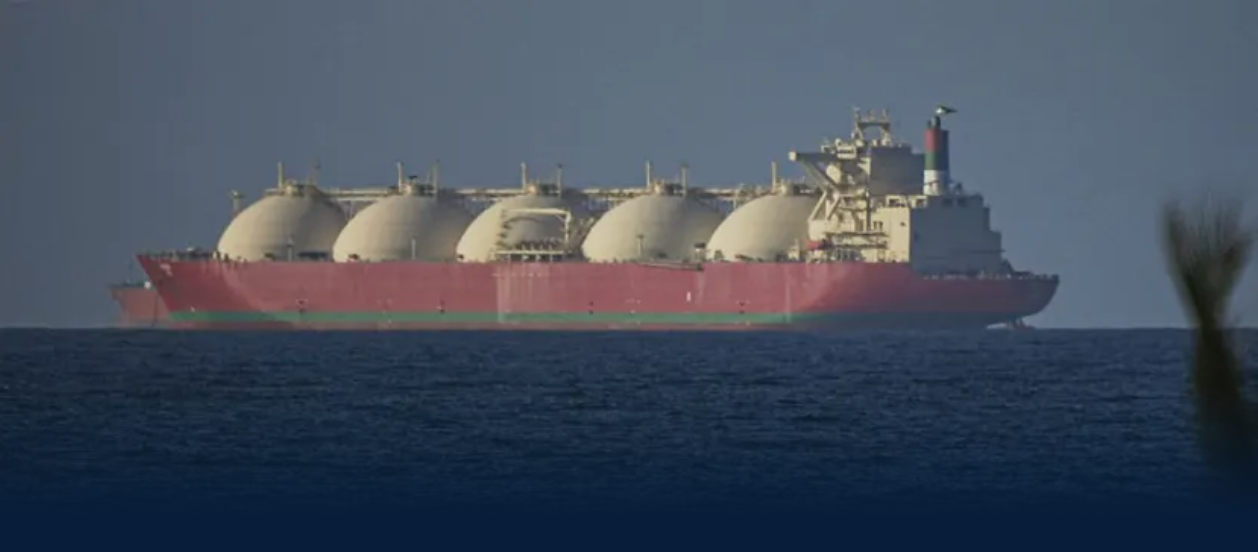
Strait of Hormuz Reopening Raises Global Shipping Questions
Iran has declared the Strait of Hormuz open to commercial shipping during a fragile Middle East ceasefire, but the move has failed to restore confidence across global markets. Despite the announcement, the United States has confirmed its naval blockade of Iranian ports will remain in force, creating immediate uncertainty over whether vessels can safely pass through one of the world’s most critical energy corridors.
Strait of Hormuz Crisis Keeps Oil Markets Volatile
Tehran’s statement initially signaled a potential breakthrough. Iranian Foreign Minister Abbas Araghchi said commercial ships would be allowed to transit the strait for the duration of the ceasefire tied to tensions between Israel and Lebanon. However, the reopening comes with strict conditions. Ships must follow routes designated by Iranian authorities, and access appears subject to approval, raising concerns over how “open” the waterway truly is.
Within hours, conflicting messages from Iranian officials deepened the confusion. State-linked media and senior figures suggested that passage could be restricted, particularly for vessels linked to countries deemed hostile. Early shipping data reinforced those concerns, with several tankers attempting to move through the strait only to turn back after failing to secure clearance.
U.S. President Donald Trump welcomed the announcement, calling it a positive step for global stability. However, he made clear that the U.S. naval blockade targeting Iranian ports will continue until a comprehensive agreement with Tehran is finalized. The blockade, implemented earlier this month, has already forced more than 20 vessels to reverse course, according to U.S. military officials.
Iranian leadership responded sharply. Parliamentary Speaker Mohammad Bagher Ghalibaf warned that the Strait of Hormuz would not remain open if the U.S. maintains its maritime restrictions. The statement underscores Tehran’s position that access to the waterway is directly tied to broader geopolitical negotiations.
For the shipping industry, the situation remains highly uncertain. Maritime tracking data shows only limited vessel movement through the corridor, with many operators choosing to delay transit. Elevated insurance costs and the risk of enforcement actions from both sides have created a cautious environment, preventing a full return to normal traffic.
Oil markets reacted quickly to the initial reopening news, with prices dropping sharply as traders anticipated easing supply disruptions. However, volatility persists as doubts grow over how long the strait will remain accessible under current conditions.
The Strait of Hormuz is a vital artery for global energy, typically carrying around one-fifth of the world’s oil supply. Its recent closure triggered one of the most significant supply disruptions in modern history, amplifying the stakes of any development related to its status.
The current tensions are part of a broader geopolitical crisis involving Iran, the United States, Israel, and regional allies. A temporary ceasefire between Israel and Lebanon created space for diplomatic engagement, but key disagreements particularly around military operations and economic sanctions remain unresolved.
Recent negotiations have yet to deliver a breakthrough. Talks involving senior officials from both sides, including meetings in Pakistan, ended without a deal, though there are indications that further discussions may take place in the coming days.
Analysts describe the situation as a “controlled instability,” where both sides are signaling flexibility while maintaining leverage. Iran’s requirement for coordinated transit routes effectively allows it to retain operational control over the strait, even as it publicly declares it open.
Maritime and energy experts warn that without clear, mutually agreed guarantees, commercial shipping will remain constrained. The ongoing U.S. blockade adds another layer of complexity, as vessels risk being caught between competing enforcement measures.
Public and market reactions reflect this uncertainty. While some see the reopening as a step toward de-escalation, many observers point to the contradictions in official statements as evidence that the situation remains far from resolved.
The reopening of the Strait of Hormuz offers a glimpse of potential stability, but it is far from a definitive turning point. With geopolitical tensions still high and negotiations ongoing, the waterway remains a focal point of global risk. The coming days will be critical in determining whether this fragile progress leads to sustained stability or renewed disruption in global energy flows.